
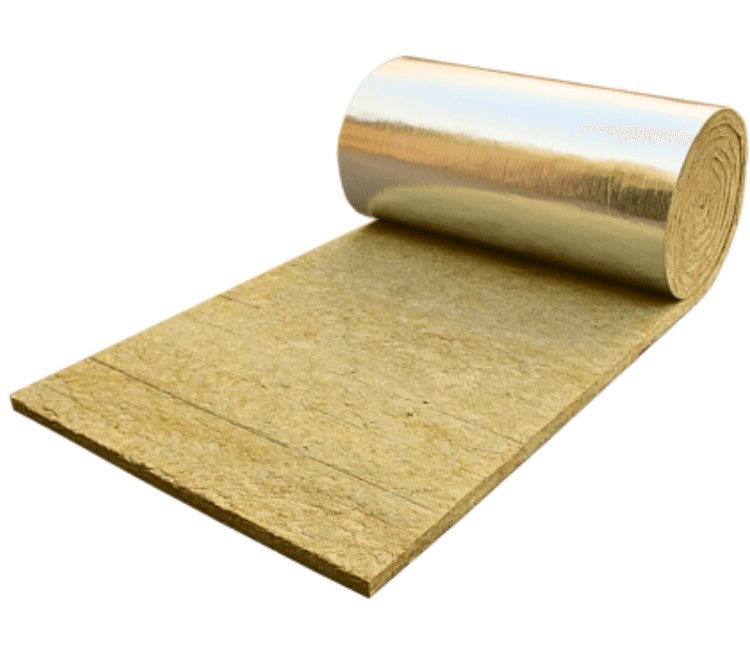
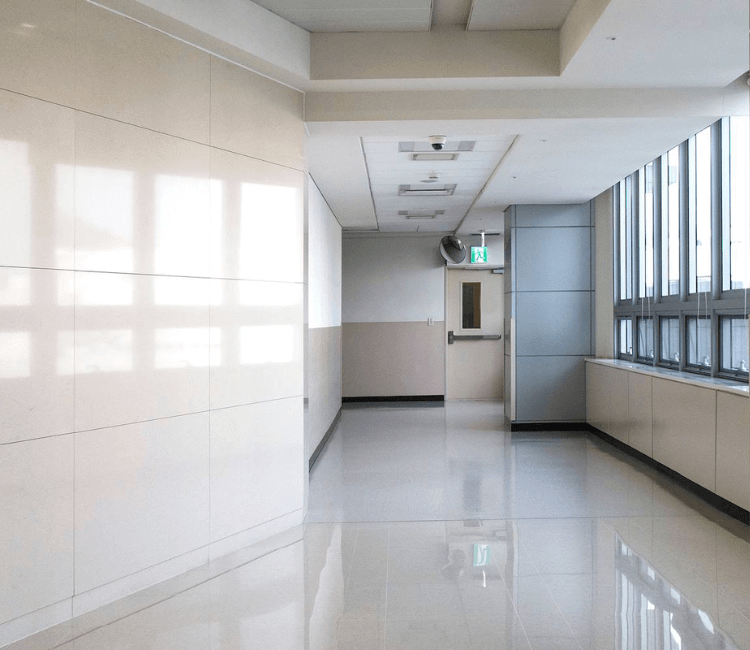
Linear gap seals (Rockwool) for fire and smoke protection. Flexible joint seals.
Linear gap seals, such as the Rockwool FirePro® range, are high-performance fire-stopping solutions designed to fill joints and voids between building elements. These seals prevent the passage of fire, smoke, and hot gases, ensuring critical compartmentation. Gitco-sa.com provides the complete range of these high quality fire safety products across Saudi Arabia.
Description
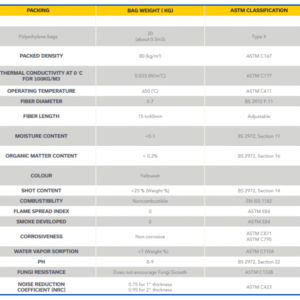
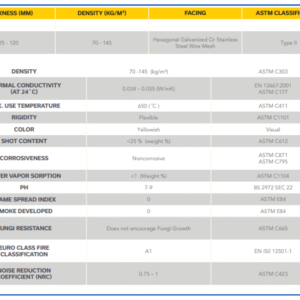
Linear gap seals are essential components of passive fire protection, specifically engineered to restore the fire resistance of walls and floors where gaps or joints exist. These gaps often occur due to design tolerances, thermal expansion, or structural movement. Rockwool’s stone wool-based seals are naturally non-combustible, capable of withstanding temperatures exceeding 1,000°C while providing excellent acoustic and thermal insulation.
At Gitco, we offer a complete range of specialized linear gap sealing solutions to match every construction requirement:
-
FirePro® Flex Seal / SoftSeal: These are low-density stone wool seals pre-coated with a flexible, fire-resistant coating. They are specifically designed for joints where significant building movement (up to +/- 25%) must be accommodated without compromising the fire barrier.
-
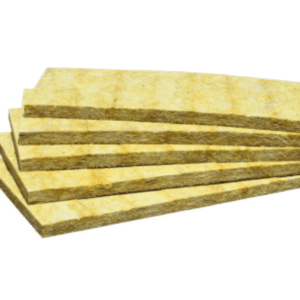
Linear Gap Seal Strips & Blocks: Pre-cut stone wool sections designed for rapid installation in vertical or horizontal joints. These are ideal for filling the “head-of-wall” gap between a masonry wall and a concrete soffit.
-
Acoustic Intumescent Sealants: Used for smaller linear gaps (typically up to 30mm) or to provide a smoke-tight finish around larger mineral wool seals. These sealants expand when exposed to heat to close any remaining vulnerabilities.
Our products are tested and classified according to the latest ASTM and EN standards (e.g., BS EN 1366-4), providing up to 120 to 240 minutes of fire integrity and insulation performance. We ensure that our product prices are the best in the market, delivering high quality fire safety to Dammam, Al-Khobar, Al Jubail, Riyadh, Jeddah, and across Saudi Arabia.
Key Applications of Linear Gap Seals:
-
Movement & Expansion Joints: Sealing gaps in floors and walls that are designed to accommodate thermal or seismic movement.
-
Head-of-Wall Barriers: Closing the gap between the top of a fire-rated partition/wall and the underside of the floor or roof slab above.
-
Compartment Joins: Maintaining fire integrity at the intersection of different building elements, such as wall-to-floor or wall-to-wall junctions.
-
Acoustic Sealing: Reducing sound transmission through construction joints in hotels, hospitals, and commercial offices.
-
Retrofit & Maintenance: Reinstating fire compartmentation in existing buildings where gaps have appeared over time or after service upgrades.
Know more about Linear gap seals :
- What are Rockwool Linear Gap Seals?They are high-density, stone wool-based fire protection products (often supplied as strips or “blocks”) designed to seal linear gaps in construction joints to prevent the passage of fire, heat, and smoke.
- What is the “Linear” aspect of these seals?It refers to the long, continuous gaps found in buildings, such as the joints between a floor slab and a curtain wall, or the top of a partition wall meeting a soffit.
- Why is Rockwool (Stone Wool) used as the core material?Stone wool is naturally non-combustible and has an extremely high melting point (above 3$1,000^\circ\mathrm{C}$), making it the ideal core for passive fire protection.
- What does “Flexible Joint Seal” mean in this context?It refers to a seal designed to accommodate building movement (thermal expansion, contraction, or wind sway) while maintaining its fire-stopping integrity.
- What is the typical composition of a complete linear gap seal system?It usually consists of a pre-compressed Rockwool core coated with a specialized ablative or intumescent fire-resistant coating on one or both sides.
- What fire ratings do these seals typically achieve?Depending on the gap width and product type, they can provide fire resistance from 60 minutes to 240 minutes (EI 60 to EI 240).
- What does the “EI” rating represent?”E” (Integrity) stands for the seal’s ability to stop flames and hot gases, while “I” (Insulation) measures its ability to limit the temperature rise on the non-fire side.
- How do these seals provide smoke protection?When installed under compression and sealed with fire-rated mastic/sealant, they create a smoke-tight barrier that prevents toxic gases from migrating between compartments.
- Are they tested to international standards?Yes, people search for compliance with standards such as EN 1366-4 (fire resistance for linear joint seals) or ASTM E2307 (for perimeter fire barriers).
- Does the seal expand during a fire?If the seal features an intumescent coating, it will expand when exposed to heat to fill any voids created by the melting of surrounding combustible materials.
- Where is the most common place to install a linear gap seal?At the head-of-wall, where a fire-rated internal wall meets the underside of a floor slab or roof.
- Can they be used in floor-to-floor joints?Yes, specialized versions are designed for horizontal gaps in floors, often reinforced to handle light foot traffic or specific structural movements.
- What is the “Movement Capability” of a flexible joint seal?It is the percentage of the gap width that the seal can expand or contract (e.g., ± 25% or ± 50%) without losing its fire-stopping properties.
- How does the compression of the Rockwool aid the seal?The Rockwool is typically installed with a compression factor (e.g., 10-15%) to ensure a tight friction fit that stays in place even if the joint widens slightly.
- Are these seals suitable for curtain walling?Yes, they are a primary component in “perimeter fire-stopping,” sealing the gap between the edge of the floor slab and the exterior glass/metal curtain wall.
- Is any special adhesive required for installation?Often, no adhesive is needed for a friction-fit seal, but a fire-rated acoustic/smoke sealant is usually applied around the edges to ensure a perfect seal.
- Can these seals provide acoustic insulation?Yes, the high-density Rockwool core provides excellent sound-deadening properties, helping to maintain the acoustic privacy (STC/Rw rating) of the wall or floor.
- Are Rockwool seals moisture-resistant?Stone wool is naturally water-repellent (hydrophobic) and does not rot, making it durable in humid construction environments.
- Can the seals be painted?Most fire-rated coatings on the seals are compatible with standard water-based paints, but it is critical to use a flexible paint if the joint is designed for movement.
- What is the benefit of pre-fabricated strips over onsite-sprayed systems?Pre-fabricated Rockwool strips ensure consistent thickness and density, reducing the risk of installation errors compared to manual “stuffing and spraying” methods.

Reviews
There are no reviews yet.